
Thousands of Lights and No Fireworks: How One Delhi Neighborhood Celebrated Diwali Without the Explosions
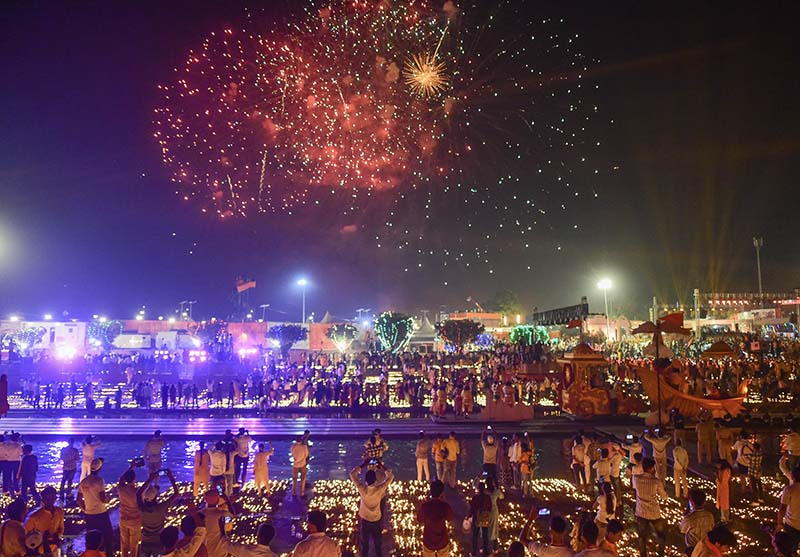
On Diwali evening, a narrow street in Laxmi Nagar transformed into a corridor of thousands of lights. Clay lamps lined balconies, shop steps and the perimeter of a small square, while reflective panels mounted between buildings directed the glow into neighboring lanes. After dark, the lights seemed to stretch far beyond the street itself. Yet not a single firework was set off throughout the evening.
The unusual project was organized by 27-year-old engineer Arjun Mehta, who had spent months persuading his neighbors to give up their traditional noisy celebrations for at least one evening. He was not calling for a citywide ban on firecrackers. Instead, he wanted to find out whether a single neighborhood could create its own festive space where light, rather than explosions, became the main attraction.
Preparations began three weeks before Diwali. Arjun and a group of volunteers calculated the placement of the panels to ensure that reflected light would not shine directly into nearby apartment windows or interfere with traffic at the intersection. The clay lamps were purchased from small local vendors and placed on metal stands with noncombustible bases. Residents took turns bringing oil and cotton wicks, while several shopkeepers provided electric string lights for areas where open flames were considered unsuitable.
The most difficult part turned out to be reaching an agreement with the neighbors, rather than designing the installation. Some residents worried that the festival would lose its familiar grandeur without fireworks. Others doubted that a homemade display could attract children and young people. Arjun responded by organizing a trial evening several days before Diwali, when volunteers tested the lighting and children helped arrange small lamps along the walkways.
On Diwali itself, families from neighboring buildings gathered around the square. Children played with paper pinwheels, sweet vendor Rakesh Malhotra handed out small portions of jalebi, and elderly residents watched the lights shimmer across the panels above the passageway. According to 63-year-old Kamla Sahni, it was the first time in years that she had been able to spend the festive evening outdoors without having to shout over the constant explosions of firecrackers. Several parents also said their young children were less frightened by the quieter celebration.
The organizers, however, stopped short of declaring the experiment a definitive victory over fireworks. The following day, volunteers collected leftover oil, cleaned wax from the walkways and inspected the panels for damage. Some lamps had broken, and a strong gust of wind had knocked over several metal stands, but Arjun said no serious incidents had occurred.
The engineer now plans to publish the installation plans and cost estimates so that other residential neighborhoods can replicate the project. According to his calculations, most of the budget went toward lamps, mounting equipment and safety arrangements rather than expensive technology. Next year, Arjun hopes to involve local potters and organize a competition for decorative light displays. Residents will decide whether to repeat the initiative after reviewing the costs and cleanup work. The experiment, it turned out, was not just a festive spectacle but also a test of how willing neighbors were to change their familiar traditions together.