
Mithuna Sankranti 2026: Solar Transition, Raja Parba, and Honoring Mother Earth
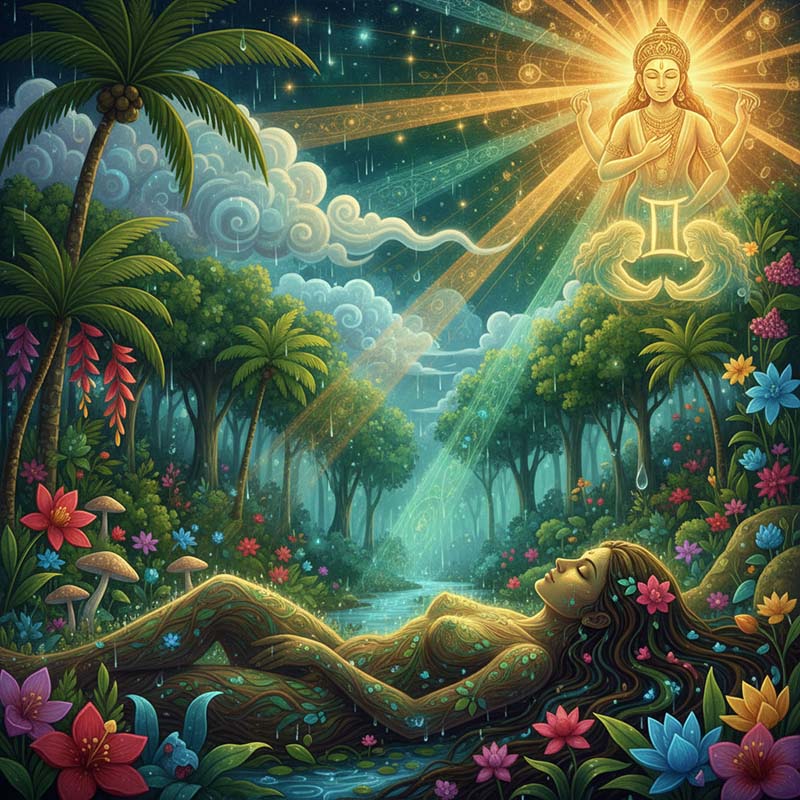 Mithuna Sankranti marks a key seasonal and astronomical milestone in the Vedic calendar, signifying the transition of the Sun (Surya) from Vrishabha Rashi (Taurus) into Mithuna Rashi (Gemini). Governed by Mercury (Budha), this transit represents a shifts toward intellectual clarity, adaptive communication, and social harmony. In 2026, this sacred solar ingress takes place on Monday, June 15, creating a rare cosmic alignment as it coincides with both the Gemini New Moon (Amavasya) and the conclusion of the Purushottam intercalary month.
While observed as a holy day of transition across India, the festival transforms into a magnificent multi-day cultural phenomenon known as Raja Parba in the eastern state of Odisha.
The Cultural Heart: Raja Parba and the Resting Earth
Unlike many Hindu festivals that center purely around ascetic fasts or specific temple deities, Mithuna Sankranti in the context of Raja Parba is an absolute celebration of nature, agriculture, and womanhood.
Traditional belief holds that during the first three days of this transition, Mother Earth (Bhumi) undergoes her metaphorical menstrual cycle, preparing herself for oncoming monsoon rains and future agricultural abundance. Out of deep reverence and gratitude, humanity steps back to let nature rest:
- All agricultural tools are put away.
- Ploughing, digging, cutting trees, and disturbing the soil are strictly prohibited.
- The land is given a complete three-day sabbatical from human intervention.
Instead of labor, communities indulge in joy, lyrical songs, traditional dynamic rope swings tied to large banyan trees, and the sharing of Poda Pitha (a slow-baked rice and coconut cake).
Key Rituals and Cosmic Timings
For spiritual practices and cleansing rituals, the specific transit window provides a highly auspicious environment.
Mithuna Sankranti 2026 Puja Timings (New Delhi):
- Mithuna Sankranti Solar Ingress: 12:49 PM on June 15, 2026
- Mithuna Sankranti Punya Kaal (Auspicious Window): 12:49 PM to 06:45 PM
- Maha Punya Kaal (Peak Spiritual Potency): 12:49 PM to 02:48 PM
Sacred Observances:
- Surya Arghya: Devotees offer fresh water, red flowers, and unrefined rice to the rising Sun, chanting planetary mantras to invoke vitality, health, and career clarity.
- Basumati Snana: On the fourth day of the festival cycle, the core ritual of Basumati Snana occurs. The descriptive term "Basumati" implies Mother Earth, and "Snana" denotes a bath. Devotees symbolically wash the grinding stone (representing Earth) with water, turmeric paste, and milk, decorating it with vermilion and fresh blooms to thank the planet for sustenance.
- Daan (Charity): Giving grains, clothes, or seasonal summer fruits to those in need during the Punya Kaal window is believed to yield protective virtues, balancing one's outer communication channels and dissolving past karmic debts.