In an Indian Village, Brides Wear Their Mothers-in-Law’s Clothes for Several Days After the Wedding
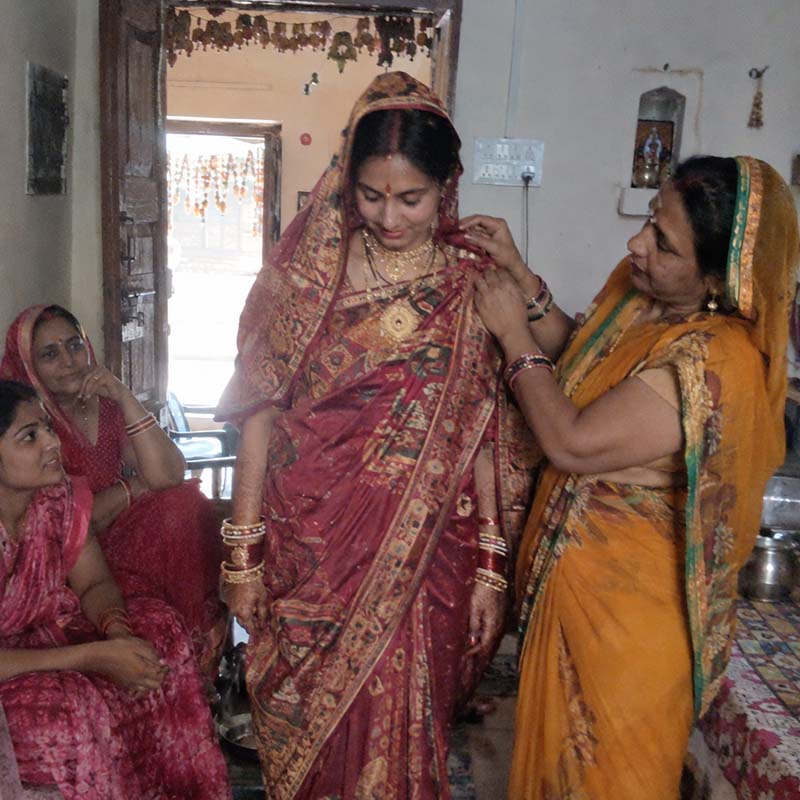
In the village of Bali, in western Rajasthan, wedding ceremonies do not end with the festive meal. The day after the wedding, the bride gives her mother-in-law part of her wedding outfit and puts on the older woman’s sari and jewelry. The young wife spends the next three days dressed this way, helping with household chores and welcoming her husband’s relatives.
Local resident Leela Devi, who helped carry out the ritual at her son’s wedding, explains that exchanging clothes symbolizes the bride’s acceptance into the family. According to her, the mother-in-law’s outfit passes the blessings of the older generation to the young woman, while the bride’s own clothes remain temporarily with her husband’s mother as a sign of trust.
However, not all young women view the tradition in the same way. At a recent wedding, 24-year-old Neha Chaudhary agreed to wear her mother-in-law’s sari but refused to keep it on for all three days. She told her relatives that she was willing to participate in family rituals but did not believe clothing should be used to prove her loyalty to her new family. After an argument, both sides agreed to shorten the ritual to a single day.
Older residents fear that the custom will gradually disappear. Some young couples, on the other hand, believe family traditions should remain voluntary. Local wedding planners note that relatives are increasingly discussing such rituals in advance to avoid conflicts after the ceremony.
For some families, exchanging clothes remains an important symbol of kinship. For others, it has become an opportunity to reconsider the boundaries between respecting elders and respecting a bride’s personal choices.