
Have Yogis Learned to Control Their Body Temperature? An Unusual Experiment Surprises Scientists
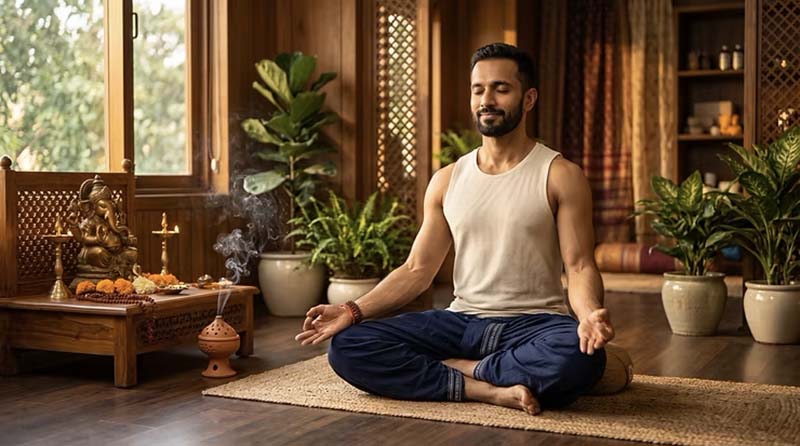
Researchers at the Center for Human Physiology at Banaras University conducted an unusual experiment to determine whether ancient yogic practices can influence the body's temperature regulation. The study involved 48 people aged 27 to 64 who had practiced breathing techniques and meditation for at least eight years. A control group consisted of 52 volunteers with no experience in these practices.
The participants were placed in a room maintained at 18°C and fitted with sensors monitoring skin temperature, heart rate, breathing, and blood flow in their extremities. After resting for 30 minutes, the volunteers began a series of exercises involving controlled breathing, visualization of internal warmth, and concentration techniques used in traditional yogic schools.
The results were unexpected. Among the 48 experienced practitioners, 17 recorded an increase in finger skin temperature of more than 2°C. In the control group, only four of the 52 volunteers achieved a comparable result. Six yogis experienced increases exceeding 3°C, with the largest recorded change reaching 3.8°C in just 20 minutes.
The researchers also detected changes in the circulatory system. During the exercises, the most successful participants experienced increased blood flow to their hands and slower breathing. According to the authors, the practices may have influenced the activity of the autonomic nervous system, which regulates the narrowing and widening of blood vessels. As a result, more warm blood reached the extremities, raising skin temperature even in a cool environment.
But the most intriguing finding emerged when the team analyzed overall body temperature. For most participants, it remained virtually unchanged. However, three of the most experienced practitioners showed increases in core body temperature ranging from 0.3°C to 0.5°C. The changes were small and temporary, but they prompted the team to investigate whether certain breathing techniques might affect not only how heat is distributed throughout the body, but also how much heat the body produces.
The scientists have not ruled out alternative explanations. Muscle tension, individual physiological differences, or measurement errors may have influenced the results. Moreover, an increase in skin temperature does not mean that a person has learned to control their entire body temperature: these processes are governed by different mechanisms.
The next phase of the research will use thermal imaging cameras and more precise core-temperature sensors. The scientists aim to determine which specific exercises produce the strongest effects and whether the results can be replicated in people without years of meditation experience.