
Ganga Dussehra 2026: Cosmic Alignment, Mythological Origins, and Holy Rituals
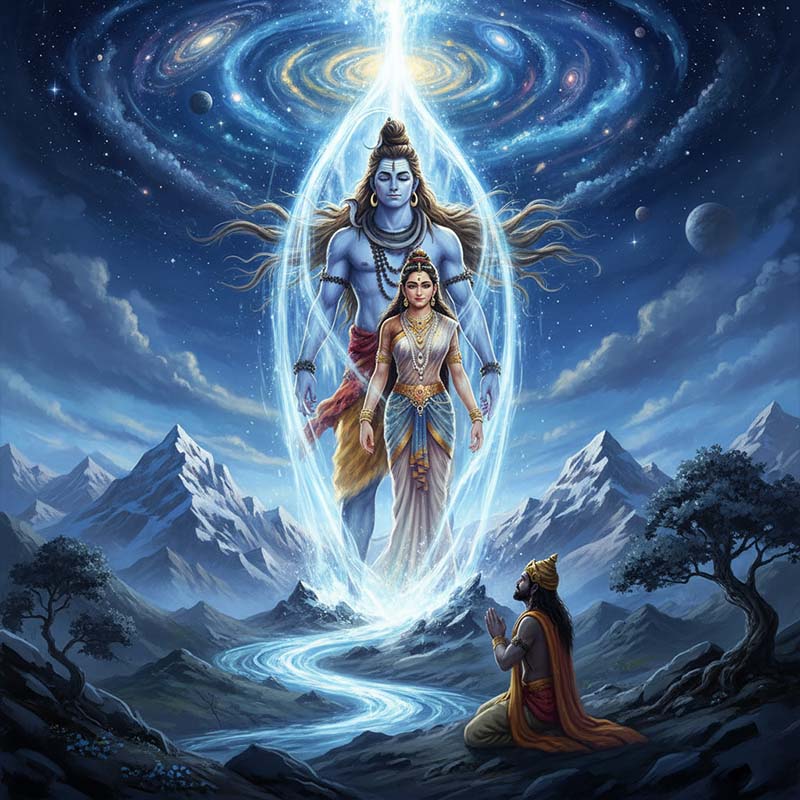 Ganga Dussehra celebrates the auspicious day when Goddess Ganga descended from the heavenly realms to Earth, bringing spiritual purification and salvation to humanity. The festival derives its name from "Dussehra," which signifies the elimination of ten types of sins or afflictions. In 2026, this highly revered Vedic festival will be celebrated on Monday, May 25.
The Legend of Divine Descent
According to Hindu Puranas, Earth was parched, and the ancestors of King Bhagiratha could not achieve liberation (Moksha) due to a powerful curse. Through intense, unwavering penance, Bhagiratha pleased Goddess Ganga, convincing her to flow upon the Earth to purify his lineage.
However, because Ganga's celestial torrent was powerful enough to shatter the planet, Lord Shiva stepped in to absorb her crushing impact within his matted hair (Jata). He gently released her into the earthly realm in controlled streams. Due to this epic journey, the day is also celebrated as Gangavataran.
The Power of the Dashami Alignment
Ganga Dussehra occurs during the Dashami Tithi (tenth day) of the waxing moon phase (Shukla Paksha) in the lunar month of Jyeshtha.
Astrologically, the festival achieves its peak spiritual potency when ten specific Vedic elements align simultaneously. These include specific planetary positions, stellar constellations (Nakshatra), and day alignments. When these cosmic factors meet, the day becomes an incredibly powerful window for spiritual practices, meditation, and karmic healing.
Ganga Dussehra 2026 Timings (New Delhi):
- Dashami Tithi Begins: 08:15 AM on May 24, 2026
- Dashami Tithi Ends: 09:37 AM on May 25, 2026
Spiritual Practices and the Ten Sins
The core ritual of Ganga Dussehra is Ganga Snan — taking a holy dip in the river Ganga. Devotees believe that a ritual bath on this specific day purifies an individual from ten distinct types of sins:
- Three physical sins: Taking what is not given, unprovoked violence, and adultery.
- Four verbal sins: Using harsh language, lying, speaking ill behind someone's back, and mindless gossip.
- Three mental sins: Coveting others' possessions, harboring ill intent toward others, and holding wrong beliefs.
For those who cannot physically visit holy destinations like Varanasi, Haridwar, or Rishikesh, chanting the names of Ganga or adding a few drops of sacred Gangajal to their bathwater at home yields similarly powerful spiritual benefits. The day concludes with magnificent evening Aarti rituals, where thousands of leaf-boats carrying lit earthen lamps are floated down the river currents.