
Farmer Uses Family Records to Rethink Planting Seasons
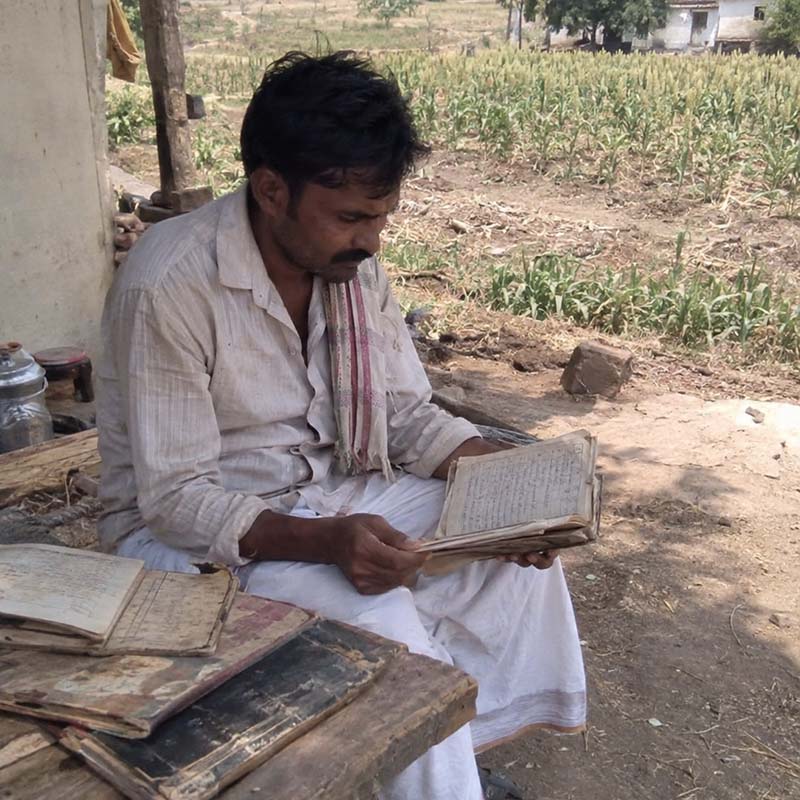
A farmer from Solapur district in Maharashtra has spent several years studying notebooks that had been kept by his family for decades. His grandfather and father recorded the dates of the first rains, the length of dry spells, and the results of each growing season.
Vishal Shinde, 34, noticed that in years when the first rainfall was followed by a prolonged dry period, early planting often resulted in crop losses. He compared the old records with his own observations and decided to change the planting schedule for several crops.
Instead of sowing during the same week every year, Shinde began paying closer attention to rainfall patterns and soil conditions. On some of his fields, he adjusted the planting dates for millet and pulses. He also started leaving more crop residue on the soil surface to help retain moisture.
During the first year, Shinde tested the new approach on only a few plots because he was reluctant to risk his entire harvest. The results were encouraging enough for him to continue experimenting. He does not claim to have found a way to predict droughts precisely, but believes the family records help him assess the risks more effectively.
Later, the farmer showed his notebooks to neighbors and began sharing copies of his observations. Several other farmers decided to keep their own records, noting rainfall dates, crop conditions, and yields. Shinde now plans to combine their data to track weather changes using observations from several farms rather than relying on the experience of a single family.