
Centuries-Old Hindu Shahi Era Fort Crumbles Amid Severe Neglect and Encroachment in Pakistan
Pharwala Fort, a massive centuries-old citadel that stands as a primary structural reminder of the Hindu Shahi period in the Potohar region, is rapidly deteriorating due to prolonged administrative neglect, environmental weathering, and unlawful residential encroachments.
Despite its protected legal status under Pakistan’s Antiquities Act of 1975, archeological experts warn that nearly 20% to 30% of the heavily fortified structure has already suffered irreversible structural failure.
A Citadel of the Hindu Shahi Dynasty
Historians trace the architectural origins of Pharwala Fort to the Hindu Shahi dynasty, an early medieval kingdom that successfully governed portions of the Kabul Valley, Gandhara, and the western Punjab before the 10th century. Strategically built along steep cliffs and rocky slopes, the fortress was considered one of the most physically impregnable military redoubts in South Asia, later expanded and occupied by the regional Gakhar tribe.
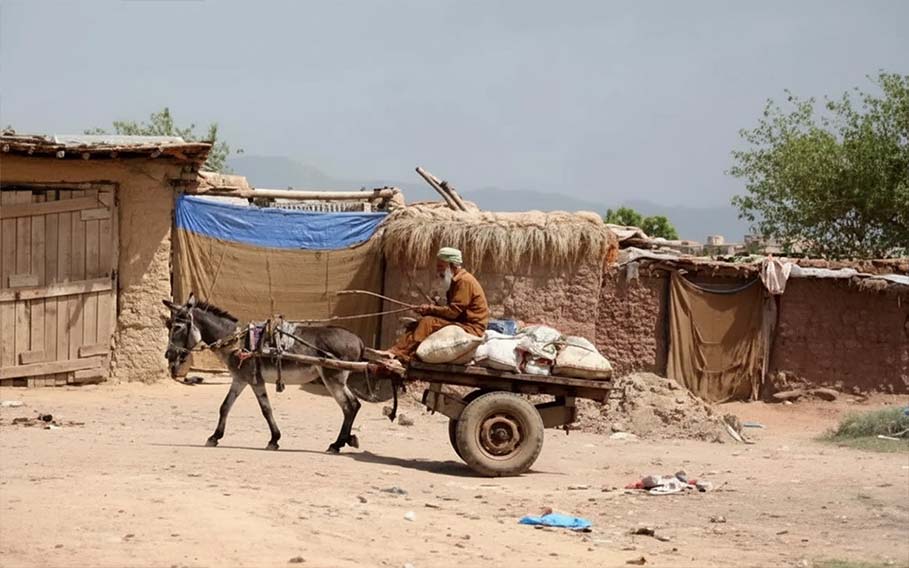
Today, the site is fading into obscurity. Overgrown wild vegetation splits open the ancient fortification walls, while livestock roams freely through crumbling interior ruins. Plastic waste heavily litters the historic zones, and multiple local families have established unauthorized farmlands directly abutting the historic outer ramparts.
Highlighting the rapid deterioration, Dr. Abdul Ghafoor Lone, Deputy Director of the Department of Archaeology, stated:
"Wild climate effects continue to weaken the structure significantly. It took our survey teams nearly a entire year just to clear invasive plant and root growth from the core fortification walls. While the fort remains resilient, continued delays in physical stabilization work will accelerate its ultimate collapse."
Lost Gates and Historical Erasure
The fort originally featured six historic monumental entrances, including the Lashkari, Begum, Ziarat, and Hathi gates. Recent inspections confirm that the principal military entry point, the Lashkari Gate, has already partially collapsed.
Beyond environmental distress, historical records indicate the internal layouts were damaged during later Sikh governance, followed by decades of unregulated modern construction. Approximately 25 families currently live directly inside the immediate fort vicinity, complicating necessary zoning boundary enforcement.
Stalled Funds for Cultural Preservation
The progressive decay of the site highlights a chronic issue facing pre-Islamic historical monuments across Pakistan. In late 2023, the Department of Archaeology submitted a comprehensive conservation proposal valued at roughly 914 million PKR ($3.28 million) to execute structural interventions, archaeological excavations, and tourism development.
However, execution remains entirely stalled. Activists note that if standard excavation plans were funded, the soil underneath Pharwala Fort could reveal priceless artifacts, ancient coins, and foundational brickwork clarifying the broader chronology of the Hindu Shahi civilizational presence in the region. Without immediate funding intervention, this critical link to the subcontinent's diverse religious history remains on the verge of disappearing.