
Bisleri Water Controversy Raises Questions Over Ritual Water at Goa Temple
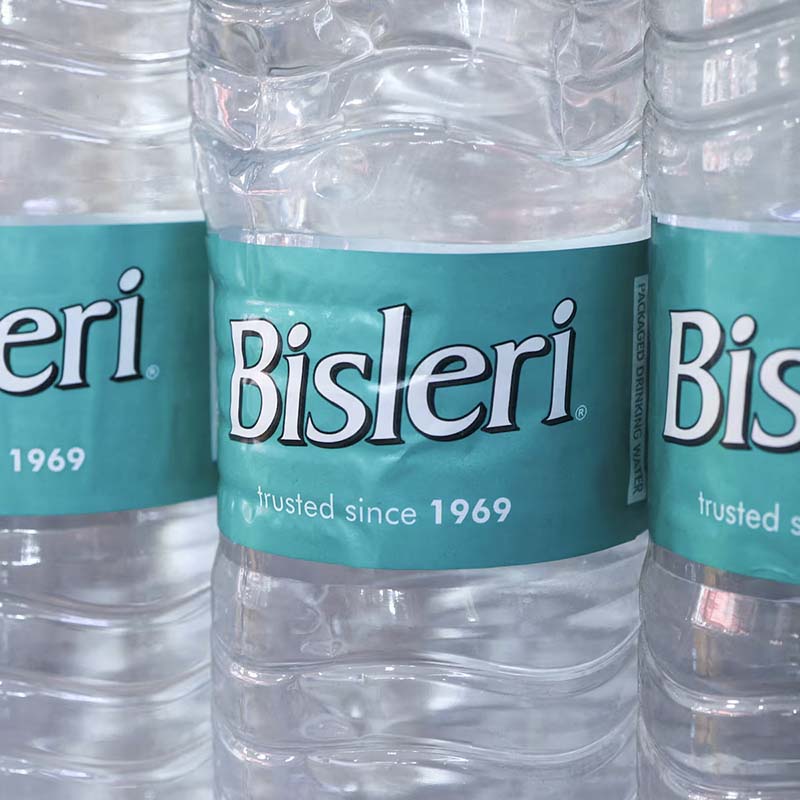
Panaji: Recent regulatory action against bottled water manufacturer Bisleri International has drawn attention to the use of the brand's products in religious ceremonies at a temple in Goa, where devotees say concerns over the water supplied for rituals had previously been raised but never addressed.
The controversy follows the Food Safety and Standards Authority of India's (FSSAI) decision to sanction prosecution against Bisleri after a regulatory sample of its packaged drinking water was declared unsafe. The sample, collected from the company's Goa manufacturing facility in September 2025, reportedly showed bromate levels above the prescribed limit, while subsequent laboratory analysis also flagged polynuclear aromatic hydrocarbons (PAHs).
At the Shree Mahalaxmi Temple in the vicinity of Panaji, several devotees have now questioned whether packaged water supplied by the company was used during religious ceremonies, including ritual bathing of the deity and other offerings traditionally involving water.
"We have been seeing these bottles near the ritual preparation area for quite some time. I raised the issue with one of the people responsible for supplies earlier this year, but nobody took it seriously," said 42-year-old devotee Rohan Naik, who regularly visits the temple.
Another devotee, who requested anonymity, said the temple had continued using packaged water even after concerns were reportedly raised about the supplier.
"Nobody was questioning the brand before. People trusted it because it was widely used and considered safe. But when there are questions about the quality, the temple should at least check what it is purchasing," the devotee said.
According to devotees, packaged water is sometimes used during ceremonies where water is poured over the deity as part of ritual offerings. Such practices are common across Hindu temples, although the specific materials and arrangements vary depending on the tradition and the ceremony.
Some visitors said they had expected temple authorities to review their purchasing arrangements following the latest reports. They also questioned whether the temple had any procedure for verifying the quality of products used in religious activities.
A temple representative, speaking on condition of anonymity, said procurement decisions were generally handled by a small administrative team and that water was purchased from commercial suppliers based on availability and cost.
"We have not received any formal complaint regarding the quality of the water used in rituals. Supplies are purchased through regular channels, and we have no reason to believe that any product was unsafe," the representative said.
The representative did not confirm whether Bisleri products had been used during specific ceremonies or whether the temple intended to review its suppliers.
The issue has also raised broader questions about the oversight of consumable products used in religious institutions, particularly where offerings and ritual materials are purchased in bulk and distributed among devotees.
Food safety experts have previously stressed that packaged drinking water must comply with applicable standards regardless of whether it is sold commercially, provided at public gatherings or used in religious ceremonies.
While the latest regulatory action against Bisleri relates to a specific sample and does not establish that all products manufactured by the company are unsafe, devotees say the controversy has prompted them to seek greater transparency from temple administrations.
For now, some visitors are asking the temple to disclose its suppliers and introduce routine checks on water and other consumables used during ceremonies.
"We go there with faith and trust. We do not expect to have to question whether something as basic as water is safe," Naik said.