Bangladesh High Court Denies Bail to Hindu Leader Chinmoy Krishna Das Amid Ongoing Sedition Case
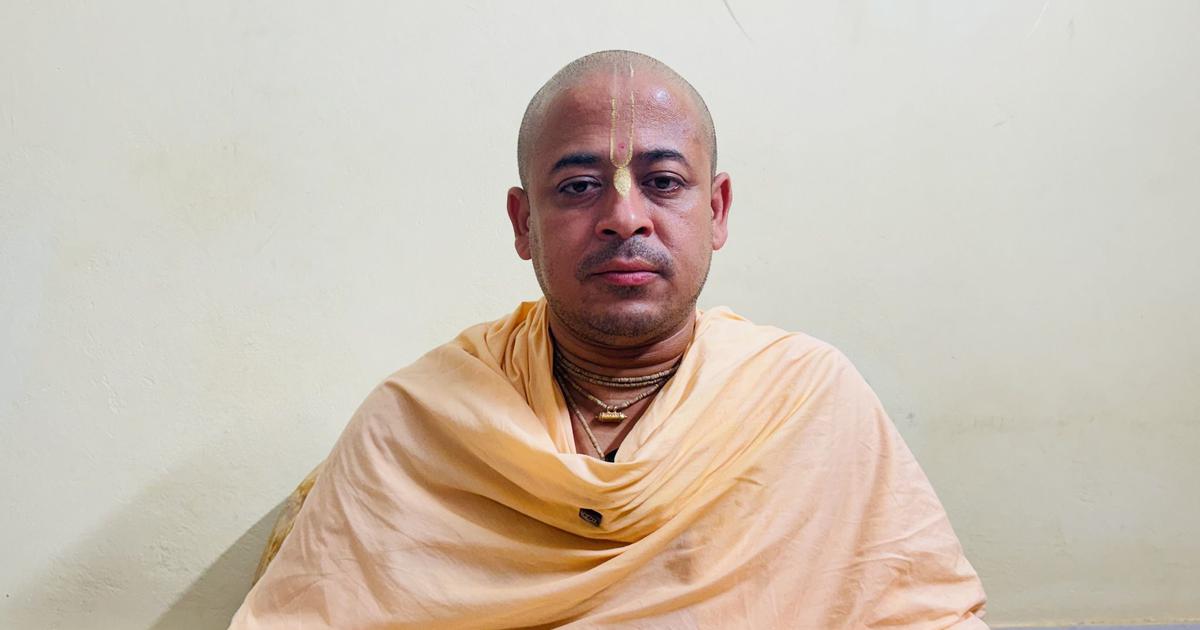
The High Court of Bangladesh has rejected the bail application of prominent Hindu monk Chinmoy Krishna Das, ordering his continued detention in a high-profile sedition case that has drawn intense international scrutiny.
The decision by the division bench comes amid heightened communal tensions and a series of mass demonstrations by the minority Hindu community protesting his arrest and demanding his immediate release.
Context of the Sedition Charges
Chinmoy Krishna Das, a well-known spiritual leader and former spokesperson for ISKCON (International Society for Krishna Consciousness) in Bangladesh, was arrested at Dhaka's international airport in late 2024.
The provisional government filed sedition charges against him and several others following a rally in Chittagong. Authorities accused the organizers of disrespecting the national flag by allegedly placing a saffron Hindu religious flag above the Bangladeshi national flag during a public demonstration for minority rights.
The defense counsel argued for his release on medical and humanitarian grounds, stating:
"The charges against him are politically motivated, aiming to silence a prominent voice advocating for the safety and constitutional rights of the Hindu minority in Bangladesh."
However, state prosecutors strongly opposed the bail plea, presenting arguments that his release could potentially disrupt law and order and interfere with the ongoing state investigation.
Escalating Geopolitical and Communal Tensions
The legal battle over the monk's detention has triggered severe diplomatic friction between Bangladesh and neighboring India. The Ministry of External Affairs (MEA) in New Delhi has repeatedly expressed deep concern over the arrest, urging Dhaka to ensure the safety, security, and religious freedom of Hindus and other minority groups.
Inside Bangladesh, the case has led to volatile developments:
- Mass Protests: Thousands of devotees and minority rights activists have staged peaceful sit-ins and marches across major cities, including Dhaka, Chittagong, and Sylhet.
- Clashes: Earlier court hearings witnessed violent clashes between protesters and law enforcement personnel, resulting in casualties and widespread arrests of activists.
- Institutional Pressure: Extremist groups have utilized the case to demand a complete ban on ISKCON operations within Bangladesh, a move strongly resisted by global human rights organizations.
Implications for the Hindu Minority
Human rights observers view the High Court’s refusal to grant bail as a worrisome indicator of the shrinking democratic space for minorities under the current interim administration.
Since the political transition in Bangladesh, the country’s Hindu population—which makes up roughly 8% of the nation—has reported a sharp increase in targeted vandalism against temples, businesses, and households. The continued incarceration of high-profile leaders like Chinmoy Das underscores the institutional challenges facing minority rights advocacy in the region.